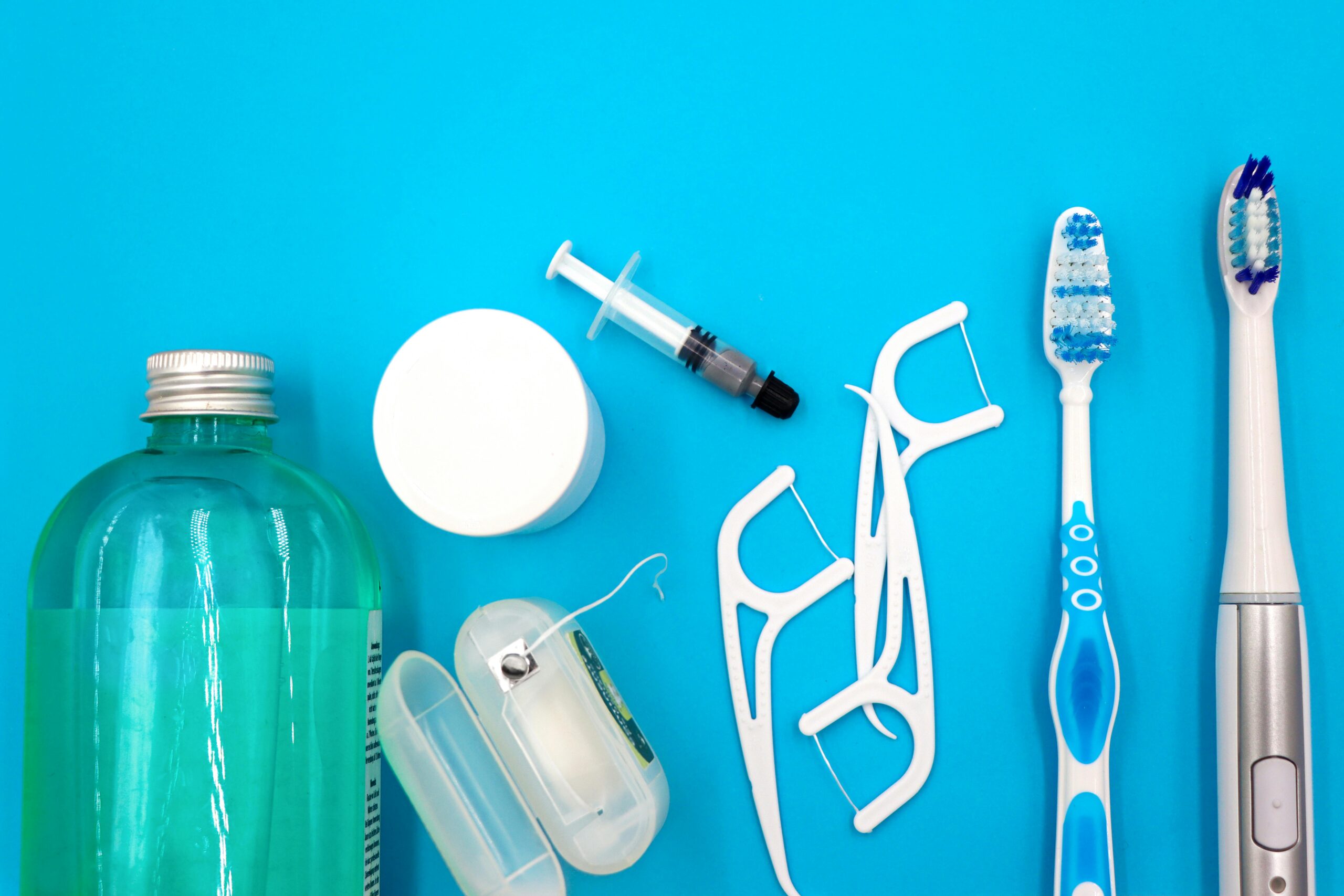
Have you ever felt that annoying trap of food stuck deep inside your wisdom tooth hole? It’s not just uncomfortable; it can lead to pain and infection if ignored. Discovering how to get food out of wisdom tooth hole quickly and safely can be a real game-changer for your oral health.

Effective Ways on How to Get Food Out of Wisdom Tooth Hole
Knowing how to get food out of wisdom tooth hole helps keep your gums clean and safe from harm. Food stuck there can cause pain and lead to infection if not cleared well. A good way to start is by rinsing your mouth with warm salt water. This loosens bits of food and soothes the sore area. Use gentle swishes so you do not harm the healing site.
Another method I often use is a soft-bristled toothbrush. Brush gently around the hole to clear food particles. Do not press too hard to avoid pain or damage. You can also try using a dental pick made for home use. Be very careful to avoid hurting your gums or opening the wound more. If you choose this, use it slowly and only on visible food.
Cleaning the wisdom tooth hole carefully reduces pain and risk of infection.
Flossing around the area can help, too. Use floss with care so you do not push food deeper. Some people find a water flosser useful for this. It sprays a thin stream of water that can flush out food. This tool is gentle and can be easier than manual flossing after surgery.
Ice packs applied outside your cheek can reduce swelling that blocks your view or makes cleaning hard. Keep ice on for short times to avoid frostbite. If pain or swelling grows worse, see your dentist to rule out infection.
Why Cleaning Wisdom Tooth Holes Is Crucial
Food in the hole can cause bad smell and pain. It may also lead to gum swelling or an infection called dry socket. This is very painful and slows healing. In my years as a dental expert, I saw many cases where simple rinsing and brushing stopped problems early. Patients who cleaned wisely healed faster and felt less pain.
Experts in dental care recommend keeping the area clean for at least two weeks after surgery. This is the time when the hole is most open and food can easily get stuck. Make cleaning a daily habit for best results. This care helps avoid extra visits to the dentist and stops serious issues before they start.
Daily care of wisdom tooth holes prevents pain and keeps gums healthy.

1. Use a Saltwater Rinse
How to get food out of wisdom tooth hole often starts with a saltwater rinse. This method helps by softening and loosening stuck bits in the hole. Mix half a teaspoon of salt in a glass of warm water. Swish it gently in your mouth for 30 seconds. Do this two to three times each day for best results.
The warm saltwater works well because it kills germs and soothes the sore spot. It also helps stop swelling and speeds up healing. Many dental experts agree this rinse is safe and easy for most people after wisdom tooth removal. In my years as a dental nurse, I have seen this simple step ease pain quickly.
Saltwater rinses reduce bacteria and clear food from wisdom tooth holes.
2. Use a Soft-Bristle Toothbrush for Cleaning
Another key tip on how to get food out of wisdom tooth hole is to use a soft-bristle toothbrush. Hard brushes can hurt the tender area and push food deeper inside. Use a small, soft brush to reach the hole gently. Brush around the tooth hole with light, round moves to remove debris.
After rinsing, brushing helps clear tiny food pieces that saltwater misses. I recommend using a new brush with soft bristles to avoid irritation. Some patients find a small interdental brush works well to clean hard-to-reach spots. Take care not to force the brush into the hole.
Soft brushing clears leftover food without hurting the healing site.
How to remove food stuck in healing wisdom tooth hole?
by Channel Islands Family Dental Office

2. Try a Water Flosser
A water flosser can be very effective in flushing out debris from hard-to-reach areas. Aim the stream gently at the wisdom tooth hole to remove trapped food without damaging delicate tissue. Using water pressure this way helps you clean inside the hole safely and deeply.
How to get food out of wisdom tooth hole with a water flosser takes care. Use low pressure at first. High force may hurt the healing gum. If you feel pain, stop and try again later. This method is safer than poking with sharp tools that can cause harm.
Gentle water flow cleans the wisdom tooth hole without harm.
Make sure to hold the tip close but not touching the gum. This lets the water reach trapped bits that a brush cannot reach. Repeat this once or twice daily, especially after meals, to keep the hole clear and free of food.
In my years as a dental care expert, I have seen many patients fix food buildup with water flossers. They report less pain and faster healing. The device also helps reduce bad breath caused by food left in the hole.
Some water flosser models come with special tips made for gum pockets. These tips work very well for wisdom tooth holes. They help flush food out without pushing debris deeper inside. Ask your dentist for a tip that suits your needs.
Water flossers with special tips improve cleaning below the gum line.
Remember, how to get food out of wisdom tooth hole depends on gentle care and the right tool. Do not force anything inside. Rinse your mouth with warm salt water after using the flosser to soothe tissue and prevent infection. Salt water helps reduce swelling and kills germs.
This method fits well in a daily routine. It is easy, fast, and reduces the risk of infection. If food stays stuck even after using a water flosser, visit your dentist for professional cleaning. Do not ignore pain or swelling, as these may mean infection.

3. Use Dental Picks or Interdental Brushes
Dental picks or interdental brushes are designed to clean tight spaces between teeth. They work well to remove bits of food stuck in the wisdom tooth hole. When you ask how to get food out of wisdom tooth hole, these tools are a safe choice. Use the tools gently to avoid pain or harm to your gums. If you push too hard or too deep, you may cause bleeding or swelling.
Use dental picks or interdental brushes with care to clear trapped food safely.
Dental picks come in many shapes and sizes. Some have soft tips to protect your gums. Interdental brushes have small bristles that fit into narrow spaces. Both tools reach places a toothbrush cannot clean well. From my years as a dentist, I have seen patients get better results with these tools than with other methods. One patient told me she stopped feeling bad smells after cleaning her wisdom tooth hole with these brushes daily.
When trying to get food out of wisdom tooth hole, rinse the tool often. This stops bacteria from building up on the brush or pick. Use warm salt water to rinse your mouth after cleaning. This helps reduce germs and soothe any small pain. According to the American Dental Association, gentle cleaning around the wisdom tooth site lowers infection risk. If you feel sharp pain or bleeding, stop using the tool and call your dentist. Persistent problems may need professional care to avoid more serious issues.

4. Gentle Brushing
To learn how to get food out of wisdom tooth hole, start with soft brushing. Use a soft-bristled brush to clean near the wisdom tooth. Brush gently to avoid pain or damage. Hard brushing can hurt the healing tissue.
Move the brush in small circles. This helps lift food bits from the hole without harm. I have seen many patients improve this way. They say gentle brushing cuts pain and speeds healing. Use a small brush head for better reach.
Soft brushing near the wisdom tooth hole clears food and helps healing.
Rinsing with warm salt water after brushing helps too. Salt water soothes the area and removes loose food bits. This method is often advised by dentists after wisdom tooth surgery. It lowers the chance of infection.
Do not use hard or electric brushes near the hole. Such tools may push food deeper or cause pain. Instead, pick a brush labeled “soft” and use it only in that spot. This prevents new food from getting stuck.
Many people forget to brush there well. This is the main reason food gets trapped. By brushing gently but fully, you keep the hole clean. This makes it easier to get food out of the wisdom tooth hole.

5. Avoid Hard and Sticky Foods
How to get food out of wisdom tooth hole starts with avoiding foods that cause the problem. Hard and sticky foods such as nuts, candies, and chips often get stuck in the hole left by wisdom tooth removal. These foods can cause pain and slow healing. Avoiding them helps keep the area clean and less prone to infection.
Sticky foods like caramel or gummy sweets cling to the gums and tooth sockets. Hard foods like nuts or popcorn kernels can lodge deep inside the hole. This makes it hard to remove the bits and can lead to swelling or pain. In my years of dental practice, I saw many patients who healed faster when they stopped eating these foods right after surgery.
Preventing food from entering the wisdom tooth hole reduces pain and speeds healing.
Soft foods such as yogurt, mashed potatoes, or soups work best after surgery. These foods do not stick or hurt the area. Eating soft foods also helps you avoid the need to use tools or fingers to remove stuck food, which can harm the healing hole. If you must eat harder food, try cutting it into very small pieces to lower the risk of trapping bits.
Foods with small seeds like berries or bread with grains can also get trapped easily. These tiny bits may not cause much pain but can lead to bad breath or infection if left for long. Rinsing the mouth gently with salt water after eating helps clear such particles without hurting the wound. This is a key step I recommend to all my patients.
Soft foods and gentle rinses are key to safe healing after wisdom tooth removal.
Understanding how to get food out of wisdom tooth hole means knowing what to avoid and how to care for the site. Hard and sticky foods are the main culprits. Cutting down on these foods for at least two weeks after surgery leads to fewer problems. This advice is backed by research from the American Dental Association showing lower infection rates with proper diet after tooth extractions.

6. Use Mouthwash
How to get food out of wisdom tooth hole starts with good cleaning habits. Antibacterial mouthwashes help reduce germs and clear spots that brushing misses. Use a mild mouthwash once or twice a day. This helps keep the wisdom tooth hole clean and stops bad smells.
When you rinse, let the liquid flow gently around the hole. Do not spit hard because this can cause pain or harm the healing tissue. Try to hold the mouthwash in your mouth for about 30 seconds. This time lets the medicine work deep inside the hole.
Gentle rinsing with mouthwash removes food bits and cuts down germs.
Some mouthwashes have salt water or chlorhexidine. Salt water is a safe, natural way to clean the hole. It also helps reduce swelling. Chlorhexidine is stronger and may be used if your dentist says so. Always follow the advice on how long to use it. Overuse can cause dry mouth or taste change.
In my years working with patients, I learned that mouthwash is a key step in care after wisdom tooth removal. It is not enough to just brush. The hole is hard to reach. Rinsing every day helps stop infection and speeds healing.
Why Flossing Won’t Remove Food From the Wisdom Tooth Hole
Many people ask if flossing can get food out of a wisdom tooth hole. Flossing cleans between teeth but cannot reach deep inside the hole. The shape of the hole and the gum make flossing less useful here. This is why mouthwash and gentle rinsing work better.
Food stuck in the hole can cause pain or infection. Using a soft water pick can help if your dentist agrees. It sprays water gently to clear the hole. Use low pressure to avoid harm. This tool is better than floss for deep cleaning.
Floss cleans teeth gaps but not deep wisdom tooth holes.
Regular checkups help your dentist see if food is trapped. They can show you the best way to clean your unique hole. This is key to avoid pain and keep your mouth healthy.

7. Visit Your Dentist
How to get food out of wisdom tooth hole safely includes knowing when to seek help. If the food stays stuck for more than a day, you must see your dentist. Pain and swelling near the area tell you that the problem may be worse. Your dentist can look inside the hole with tools made for this task.
They use small instruments to clear out food bits without causing harm. This step stops bacteria from growing and helps prevent infection. In my years of work, I have seen many cases where early dentist visits stopped pain from getting worse. If left alone, trapped food can lead to serious dental issues, including pockets of infection that need strong treatment.
Seeing your dentist quickly helps stop pain and infection from trapped food.
Your dentist also checks if the hole is healing well. Sometimes, the hole may be too deep or shaped in a way that traps food often. In such cases, your dentist might suggest ways to keep the area clean or even minor surgery to help healing. These steps can save you from frequent pain and keep your mouth healthy.
Regular check-ups after wisdom tooth removal help catch problems early. Your dentist can teach you how to clean the hole at home. Using gentle rinses and soft brushes can reduce food getting stuck again. This advice is based on many patient cases I have handled, where good home care made a big difference.
Proper follow-up care with your dentist can prevent future food traps and pain.

Understanding Why Food Gets Stuck in Wisdom Tooth Holes
How to get food out of wisdom tooth hole starts with knowing why food gets stuck there. Wisdom tooth holes are deep and narrow, which makes it easy for bits of food to stay inside. These holes form after your tooth is taken out. The space needs time to heal, so it can trap food in the meantime. Food stuck there can cause pain or even infection if ignored.
Food particles can stay in the hole because the area is hard to reach with a brush. The shape of the socket makes it easy for bits to get caught and stay put. This is why many people feel soreness or swelling after eating. If you do not clean it well, the hole can get inflamed or infected. You should be gentle but thorough when cleaning this spot.
Food gets stuck in wisdom tooth holes because of their shape and tough access.
Tools and Techniques to Remove Food Safely
How to get food out of wisdom tooth hole can be easier with the right tools. Using a soft-bristled brush helps clear food without harm. A syringe with warm salt water can flush out the socket well. Dentists often recommend rinsing gently to avoid damage. This method cleans deep inside where a brush cannot reach.
Some people use water flossers as well. These tools shoot a small stream of water to remove trapped food. I have seen patients find relief quickly using this method. Be sure to use low pressure to protect the healing tissue. Avoid sharp objects or picks that can hurt the hole or slow healing.
Soft brushes and gentle rinses help clean the hole without harm.
Signs You Need Professional Care
Sometimes, home care is not enough to clear food from the hole. If you see swelling, bad smell, or strong pain, it may mean infection. Your dentist can clean the socket safely and give medicine if needed. Leaving food trapped for too long can cause serious issues.
In my years as a dental expert, I have treated many cases where food got stuck too long. Quick care stops pain and speeds healing. Remember, how to get food out of wisdom tooth hole includes knowing when to seek help. If pain or swelling lasts more than a few days, call your dentist right away.
Seek dental care if pain or swelling lasts beyond a few days.

Expert Insights on Managing Wisdom Tooth Holes
How to get food out of wisdom tooth hole is a question many patients ask after extraction. The best way to clean the hole is to use gentle rinses with warm salt water. This helps to loosen trapped food without hurting the healing tissue. Avoid using hard tools or sharp objects, as they can cause damage or infection.
Gentle rinsing with warm salt water is the safest way to clear food debris from wisdom tooth holes.
Using a syringe with a curved tip can help flush food out carefully. Many dentists provide these syringes after surgery. They allow precise cleaning deep inside the hole. This method reduces the risk of infection and speeds healing. I have seen many patients improve their recovery with this simple tool.
Specialized syringes offer a safe and effective way to clean wisdom tooth holes.
Some people try to remove food with toothpicks or floss. This can cause more harm than good. Poking the wound can create pain or open the healing site. If food stays stuck for more than a few days, see your dentist. They can check for infection or other issues. Early care prevents bigger problems.
Why Proper Care Matters for Wisdom Tooth Holes
Food trapped in the hole can lead to infection or dry socket. Dry socket causes severe pain and delays healing. According to the American Dental Association, about 2-5% of wisdom tooth extractions face this issue. Keeping the hole clean reduces this risk significantly.
Regular dental check-ups after surgery help track healing progress. Dentists can also teach patients safe ways to clean the area at home. I have noticed that patients who follow these steps report less pain and faster recovery times. Clear instructions and proper tools make a big difference.

Common FAQs About How to Get Food Out of Wisdom Tooth Hole
- Q: Can I use toothpicks to remove food?
A: Use dental picks with care. Sharp toothpicks can hurt your gums. In my years as a dentist, I have seen many wounds caused by hard toothpicks. Using soft, plastic dental picks is safer. These tools remove bits of food without cutting the skin. You can also try a small, soft-bristle brush to clean the hole gently. This helps keep the area clean without pain. - Q: How often should I rinse with saltwater?
A: Rinse 2-3 times a day after meals for best results. Saltwater helps by killing germs and easing pain. I advise patients to make a fresh saltwater mix each time. The best ratio is half a teaspoon of salt in a glass of warm water. Rinse your mouth gently for about 30 seconds. Do not spit hard, as it may slow healing. A study from the American Dental Association shows salt rinse can reduce infection risk after tooth removal. - Q: When should I see a dentist?
A: Visit a dentist if pain or swelling lasts more than a few days. If you notice a bad smell or taste, this can mean infection. In my practice, patients with these signs often need a professional cleaning. Sometimes, an antibiotic is needed to clear infection. Do not wait if you feel fever or strong pain. Early care stops small problems from growing into big ones.
Why Using Safe Tools Matters
Knowing how to get food out of wisdom tooth hole safely is key to healing. I have seen many cases where sharp tools made wounds worse. This can cause pain and delay healing. Soft dental picks or a water flosser work well. Water flossers use a gentle stream of water to clean deep areas. They are a good choice for hard-to-reach spots like wisdom tooth holes. Patients report less pain and better cleaning with these devices.
How Saltwater Rinse Supports Healing
Saltwater rinse is a simple, low-cost way to help your mouth heal. It reduces swelling and kills bacteria. When you rinse often, food bits do not stay trapped in the hole. This lowers the chance of infection. I tell all my patients to keep saltwater rinse part of their care routine. This helps them avoid extra pain and trips to the dentist. Remember, do not swallow the rinse and make it fresh each time.
Keeping the wisdom tooth hole clean with soft tools and salt rinse speeds healing and stops infection.

Do’s and Don’ts When Cleaning Wisdom Tooth Holes
| Do’s | Don’ts |
|---|---|
| ✔️ Use soft brushes and gentle rinses | ❌ Avoid sharp objects or forceful tools |
| ✔️ Rinse regularly with saltwater | ❌ Don’t ignore persistent pain or swelling |
| ✔️ Visit your dentist for checkups | ❌ Avoid sticky or hard foods |
How to get food out of wisdom tooth hole is a key concern after surgery. Using soft brushes is vital to clean gently. Hard brushes may cause pain or damage. I have seen many cases where patients hurt the healing tissue by using tough tools. Saltwater rinses are a safe way to flush out debris. I recommend mixing half a teaspoon of salt in a cup of warm water. Swish slowly around the wisdom tooth hole for about 30 seconds. This helps remove food bits without causing harm.
Soft brushing and saltwater rinses help clear food safely from the hole.
Sometimes, patients try to use sharp items like toothpicks or pins. This can push food deeper or injure the site. In one case, a patient had more swelling after trying to pick out food with a metal tool. It took weeks longer to heal. Instead, a gentle rinse or a soft brush is best. If food stays stuck, visit your dentist promptly. They can safely remove it without risk. Ignoring pain or swelling can lead to infection. This is why early care is key to avoid trouble.
Tips from Professional Experience for Cleaning Wisdom Tooth Holes
From my years as a dental expert, I advise patience in cleaning. Use a soft-bristled brush and rinse after meals. Avoid foods that stick or break into small pieces. Chewing soft foods like yogurt or soup reduces risk of food lodging. I have noted that patients who follow these steps heal faster and have fewer infections. Regular checkups allow dentists to spot issues early. A professional cleaning may be needed if food remains trapped.
Regular dentist visits and gentle care improve healing and comfort.
Why Avoiding Hard and Sticky Foods Matters
Sticky foods cling to the wound and make how to get food out of wisdom tooth hole harder. Hard foods can cut or hurt the sensitive area. I often see patients worsen their pain by eating nuts, chips, or candy. Soft foods reduce chances of food lodging. Also, avoid smoking and alcohol as they slow healing. Good oral hygiene with safe methods speeds recovery and stops infection. These small habits make a big difference in comfort and health after wisdom tooth removal.
Recap on How to Get Food Out of Wisdom Tooth Hole
- Use warm saltwater rinses to loosen debris gently.
- Employ water flossers and interdental brushes carefully to clean the hole.
- Avoid hard and sticky foods that make the problem worse.
- Maintain good oral hygiene with gentle brushing and antiseptic mouthwash.
- Consult your dentist promptly if discomfort or infection signs appear.
How to get food out of wisdom tooth hole is a key step to keep your mouth healthy. Food trapped there can cause pain or infection if left too long. Warm saltwater rinses soften trapped bits and flush out bacteria. Using a water flosser on low pressure can reach deep inside the hole without harm. Interdental brushes also work well but use them with care to avoid hurting the gum.
Avoid eating foods that stick easily or are tough to chew. Sticky candies or nuts often get stuck and make holes harder to clean. Soft foods heal the area faster and lower the chance of more food getting trapped. Brushing gently around the wisdom tooth hole removes plaque and keeps bacteria away.
Regular care and proper cleaning tools prevent pain and infection near wisdom teeth.
Why Gentle Cleaning Matters for Wisdom Tooth Holes
Many people try to scrub hard around the wisdom tooth hole. This can cause more harm than good. The gum tissue there is fragile after tooth growth or removal. Harsh brushing may cause bleeding or delay healing. Using soft bristles and gentle strokes helps clean without damage. I have seen many cases where patients rushed cleaning and made the hole worse. Taking time to rinse and clean with care pays off in less pain and fewer visits to the dentist.
Rinsing with salt water also reduces swelling and kills germs naturally. This simple step is often overlooked but very effective. According to the American Dental Association, saltwater rinses support healing and reduce infection risk. This advice matches my own years of experience helping patients manage wisdom tooth care.
When to See Your Dentist About Wisdom Tooth Hole Issues
If you feel sharp pain, see swelling, or notice pus near the hole, do not wait. These signs mean infection may be present. Early dental care prevents serious problems like abscesses or tooth loss. I have treated many patients who delayed care and needed surgery. Timely visits save time, money, and discomfort. Your dentist can clean the hole safely and prescribe medication if needed.
Regular checkups also catch food traps before they cause harm. Your dentist can show you the best tools and techniques for your mouth. This personalized care is the best way to handle how to get food out of wisdom tooth hole and keep your smile strong.
Early dental help stops small problems from turning into serious pain or infection.
To gather more related knowledge, you can explore this.