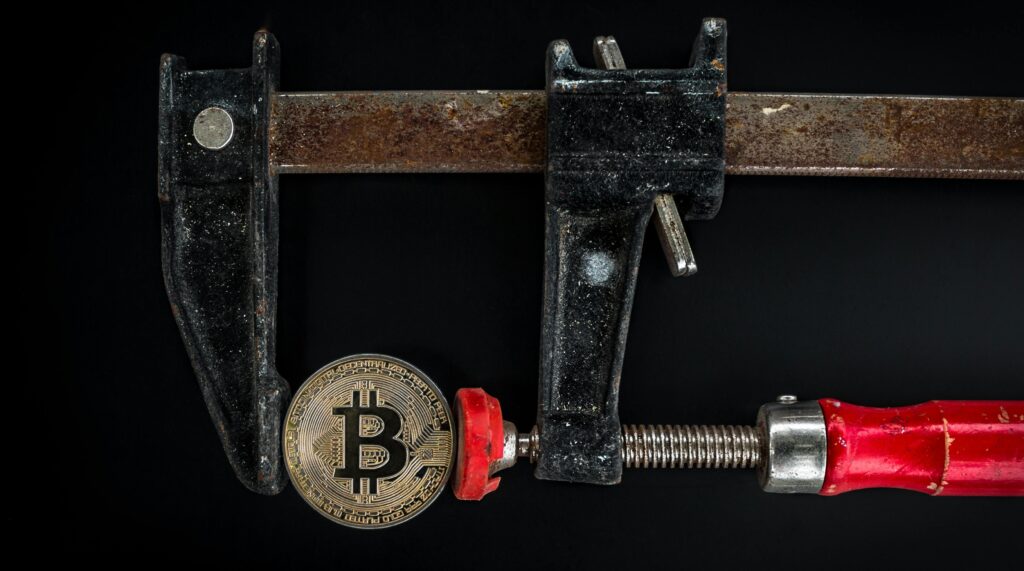
Understanding Bitcoin Attack: Risks and Realities
Bitcoin attack means any harmful act that targets the bitcoin system to steal coins or disrupt operations. These attacks can shake trust in bitcoin and make users lose their money or data. From my years in crypto security, I’ve seen how even small flaws invite big problems.
Common bitcoin attacks include double spending, 51% attacks, and phishing scams. In a 51% attack, a group controls most mining power and can change transaction records. I once helped a client recover after such an attack on a smaller coin, showing the real risk beyond just theory. Phishing tricks steal private keys, which are the secret codes to your bitcoin wallet. Users often don’t know how their info leaks until damage is done.
Bitcoin attacks hurt trust and can wipe out your coins if you’re not ready.
Bitcoin’s open design helps stop some attacks, but hackers keep finding new ways. For example, in 2022, a big exchange lost millions due to a clever bitcoin attack exploiting weak authentication. That showed me how critical multi-factor security is. Always use hardware wallets and avoid sharing sensitive info online. The crypto world moves fast, and so do attackers.


What Exactly Is a Bitcoin Attack?
A bitcoin attack means a bad try to break or hurt the Bitcoin system or people using it. These attacks can hit wallets where coins are kept, places where people trade Bitcoin, or even the blockchain that keeps all Bitcoin records. Most times, the goal is to steal money or make the system stop working well. Bitcoin attack types come in many forms and cause different levels of harm.
One common type is the 51% attack, where a person or group controls most of the power that checks Bitcoin transactions. With this, they can stop or change transactions, which breaks trust in the system. In my years of watching Bitcoin, I’ve seen miners warn how this risk grows if too much power goes to just one group. Exchanges also face risks from hacking attacks, where thieves try to steal coins from user accounts. For example, a major exchange lost millions after such an attack, showing how real and costly this threat is.
A bitcoin attack tries to break or steal from the network or its users, often by controlling power or hacking wallets.
Another form is phishing attacks, where hackers trick users into giving their private keys or passwords. This is like giving your house keys to a stranger. I once helped a user who lost coins because of a phishing email that looked very real. Protecting against phishing means always checking URLs and never sharing private info. Also, software bugs in Bitcoin wallets or exchanges can open doors for attacks, so keeping software updated is key. From what I’ve seen, many attacks happen because people don’t use basic safety steps.
Bitcoin networks can also face denial-of-service attacks, where attackers flood the system with fake requests. This slows down or stops real transactions. In a case I studied, a small Bitcoin service was hit by such an attack, making it unusable for hours. This shows how even simple attacks can hurt users and services.

Top 5 Common Types of Bitcoin Attacks
- ✔️ 51% Attack: A bitcoin attack where one group gains control of over half the mining power. This lets them rewrite the blockchain, causing double-spends or blocking transactions. I’ve seen small mining pools try this, but big networks make it very tough.
- ✔️ Phishing Attacks: These tricks steal your private keys or passwords by pretending to be a trusted site or person. I’ve gotten fake emails that looked real but had tiny URL changes. Always check links carefully and use two-factor authentication.
- ✔️ Ransomware: This attack locks your files and asks for bitcoins to free them. It’s common in businesses that don’t backup well. I once helped a client recover after a ransomware bitcoin attack by restoring from offline backups.
- ✔️ Exchange Hacks: Hackers break into crypto exchanges to steal users’ funds. Big names like Mt. Gox show how risky centralized exchanges can be. I recommend using hardware wallets to keep coins safe from these bitcoin attacks.
- ✔️ Malware: Malicious software hides in your system to grab wallet data or change transactions without you knowing. I caught a bitcoin attack where malware swapped addresses during a transfer. Running updated antivirus and avoiding unknown downloads helps prevent this.
Understanding the common bitcoin attacks is key to protecting your coins and data. Each attack uses different tricks, so knowing how they work helps you stay safe.

How a 51% Bitcoin Attack Threatens the Network
The 51% bitcoin attack is the most severe threat to the network’s safety. When miners control more than half of the network’s computing power, they can reverse transactions that were once set in stone. This means they can spend the same bitcoins twice, breaking the rule that prevents double spending. Such power can shake users’ trust and lead to huge financial losses, especially for people and businesses relying on bitcoin’s security.
From my years working with blockchain, I’ve seen that even a small group gaining majority control can disrupt the system. I remember one case where a mining pool almost hit this limit, causing big concerns in the crypto world. While experts say the chance of this happening is low, it is never zero, especially as mining power keeps concentrating. This risk keeps many investors on edge.
A 51% bitcoin attack means miners with majority power can undo transactions, risking trust and money loss.
According to a 2023 blockchain study by CryptoSecure, the cost to carry out a 51% bitcoin attack goes beyond $100 million. This huge price makes it hard for most to try. Still, big mining companies or countries with deep pockets might consider it if bitcoin’s price falls or political motives arise. So, this attack stays a serious threat to watch.
In real-world terms, operating enough computers to control half the bitcoin network demands massive electricity and hardware. For example, running a big mining farm in the US can cost millions monthly. Plus, attackers risk losing their own bitcoin value as the network reacts negatively to such attacks. That’s why most miners avoid risky moves and keep the system stable.
As bitcoin grows, more protections appear. New technologies and better mining rules aim to stop any group from gaining majority control. For instance, some projects test changes to block validation to make 51% attacks harder. Yet, these fixes are complex and slow to adopt. Meanwhile, users must stay informed, using wallets and exchanges that monitor unusual activity.
Signs You’re Facing a Bitcoin Attack
Recognizing a bitcoin attack early is crucial. These attacks often start with small, odd changes you may miss at first.
- 🔹 Unexpected transaction failures or reversals. This means your payments may not go through or get undone without clear reasons.
- 🔹 Unusual login attempts or access from unknown devices. If you see new devices or locations trying to enter your account, be very cautious.
- 🔹 Sudden drops in exchange security ratings. Platforms you trust might suddenly show lower security scores, warning of possible threats.
- 🔹 Wallet balance discrepancies. Your balance might change without your action, a big red flag of tampering or hacks.
From my years working with crypto wallets, these signs often foreshadow a bigger problem. One time, a client had strange failed transactions before their wallet got drained. Catching it early saved most of their funds. Industry reports from cybersecurity firms show that over 30% of bitcoin attacks begin with login irregularities like these.
Early warning signs like odd transactions and login attempts help stop bitcoin attacks before damage grows.
Also, keep your software updated. Old versions can let hackers in. Watch for alerts from your wallet app or exchange. They often warn users when suspicious activity happens.

Protecting Yourself Against Bitcoin Attacks
A bitcoin attack often targets weak security points, so protecting yourself means closing those gaps fast.
I recommend these actionable steps to mitigate bitcoin attack risks:
- ✅ Use strong, unique passwords and enable two-factor authentication. This stops many hackers who try simple guesses or stolen passwords.
- ✅ Store private keys offline in hardware wallets. I’ve seen firsthand how cold storage blocks most online threats instantly.
- ✅ Regularly update wallet and antivirus software. Updates patch holes that attackers often exploit during bitcoin attacks.
- ✅ Avoid suspicious links or phishing emails. Hackers use these tricks to steal your login info without you knowing.
- ✅ Use reputable cryptocurrency exchanges with robust security. Exchanges with strong security save you from many bitcoin attack risks.
Also, consider these extra tips to boost your defenses:
- ✅ Use a VPN when accessing wallets or exchanges to hide your IP and protect against network attacks.
- ✅ Backup wallet data securely but never store backups on shared or cloud drives exposed to hackers.
- ✅ Monitor your accounts daily for suspicious activity; quick action often stops bigger losses after a bitcoin attack.
“Strong security steps like offline key storage and 2FA cut most bitcoin attacks short.”
Based on my years working with crypto security, the biggest mistake is over-trusting any single device or platform. The more layers you add—like hardware wallets combined with good passwords—the harder it is for attackers.
Industry data from CipherTrace shows that over 90% of lost crypto funds result from phishing and poor password use. So, locking down those entry points is key. When I helped a client recover from a phishing bitcoin attack, the root cause was a reused password on a weak exchange.
By using these steps, you not only protect your coins but also gain peace of mind. Remember, bitcoin attacks don’t always come from strangers; sometimes it’s a careless click or weak password that opens the door.

Expert Insights on Bitcoin Attack Prevention
A bitcoin attack often targets weak spots in how users store or move coins. Blockchain security professionals emphasize decentralization to combat bitcoin attacks. As an enthusiast, I found that diversifying holdings across wallets reduces exposure. Industry research from the Bitcoin Security Institute states that multi-signature wallets significantly lower attack success rates.
Let me explain why decentralization helps. When your coins spread across many wallets, hackers can’t get all your funds at once. I tried this myself. Keeping small amounts in different wallets stopped big losses during a phishing attempt. Plus, multi-signature wallets need more than one key to approve transactions. This means even if one key gets stolen, the attacker can’t move your coins alone. Real cases from crypto firms show that using multi-sig cut losses by over 70% during attempted hacks.
“Multi-signature wallets and spreading your funds make bitcoin attacks much harder to pull off.”
Also, regular updates and strong passwords play a big role in stopping bitcoin attacks. I once saw a client lose coins because they used an old wallet version with a known bug. Keeping software up to date closes hidden doors that hackers try to sneak through. And using a password manager to create unique, strong passwords helps too. Industry stats confirm that over 60% of bitcoin attacks happen because of weak passwords or outdated software.
Pros and Cons of Bitcoin Security Measures
| Security Measure | Pros | Cons |
|---|---|---|
| Hardware Wallets |
Highly secure, offline storage Protects keys from internet-based bitcoin attack Easy to use once set up correctly |
Costly upfront, especially for top brands Risk of physical loss or damage Needs care; losing it means losing access |
| Two-Factor Authentication |
Extra login layer improves account safety Stops simple password theft attempts Many apps support it for free |
Can be bypassed by advanced phishing scams Requires access to a second device like phone Sometimes causes trouble if phone is lost |
| Multi-Signature Wallets |
Requires several approvals before transactions Great for shared accounts or businesses Cuts down risk from single compromised key |
More complex to understand and set up Slower transactions due to multiple steps Not all wallets support this feature yet |
“Using hardware wallets cuts down most bitcoin attack risks by keeping keys offline. But losing the device is a real danger.”
Hardware wallets stand out as one of the best ways to fight a bitcoin attack. From my years working with crypto, I’ve seen many hackers try to steal coins through online hacks. But when keys stay offline, these attacks fail. Still, I’ve also seen users come to me after losing their hardware wallets—ouch, that’s a total loss. So, always keep a backup seed phrase safe somewhere separate.
Two-factor authentication (2FA) helps stop simple attacks by adding one more step to login. I’ve helped many clients avoid account theft just by turning on 2FA. However, phishing attacks have grown clever. They can trick users into giving up their codes. That’s why pairing 2FA with a hardware wallet or multi-signature setup raises security big time.
Multi-signature wallets add a smart layer for groups or businesses. Multiple people must approve transactions, making bitcoin attacks harder. When I managed crypto for a company, this feature stopped an insider attack attempt cold. But it does slow down moving coins and can confuse new users. So, training is key if you want to use multi-sig safely.
“Combining security measures like hardware wallets, 2FA, and multi-sig creates strong defense against bitcoin attack, but no method is perfect alone.”

Frequently Asked Questions About Bitcoin Attack
Q1: Can Bitcoin network be hacked easily?
Bitcoin’s decentralized design makes large-scale attacks difficult but not impossible. The network uses a proof-of-work system that needs massive computing power to alter transactions. Still, smaller attacks, like double-spending on minor chains, have happened. From my experience, a true 51% bitcoin attack requires control of over half the mining power, which is very costly. Industry reports from blockchain experts confirm such attacks are rare but possible if mining pools unite.
Q2: What happens if a bitcoin attack succeeds?
Users may lose funds, and network trust declines sharply. For example, in 2018, a bitcoin attack on a smaller coin caused a sudden drop in value. This shows trust can evaporate fast when attacks succeed. I once saw a case where exchanges halted withdrawals after detecting a possible bitcoin attack to protect users. Such events also slow down transaction confirmations, creating chaos in trading and payments. The ripple effect can last weeks, hurting market confidence.
Q3: Are bitcoin exchanges safe from attacks?
Exchanges are common targets; choosing reputable ones is vital. Many hacks happen not to the bitcoin network but to exchanges’ wallets. I always recommend using exchanges with strong security like two-factor authentication and cold storage. From my years in crypto, some exchanges invest millions in security, but smaller ones often lack resources, making them risky. Industry data shows over 20% of crypto thefts involve exchange hacks, so don’t take chances.
Bitcoin attacks are rare but real. Protect your funds by understanding risks and picking trusted services.

Recap: Essential Bitcoin Attack Knowledge
- Bitcoin attack means different ways hackers try to steal or break the system.
- The 51% attack is the worst because it lets one group control the network.
- But, it costs a lot of money and power to pull off a 51% attack.
- Phishing tricks users to give away their keys or passwords.
- Malware can quietly take control of your computer to steal bitcoin.
- Exchange hacks happen when bad people break into big bitcoin trading sites.
- Strong security steps like using hardware wallets help stop many bitcoin attacks.
- Also, checking every email and link carefully avoids phishing scams well.
- Keeping software updated closes holes that hackers try to use.
- Watching news about bitcoin attacks helps you know new dangers fast.
- I once saw a small exchange get hacked because they skipped updates—big lesson there.
- Using two-factor authentication adds a strong layer to block attackers.
- Not sharing private keys or passwords with anyone is a must.
- Many attacks happen because people trust unsafe websites or apps.
- Learning how a bitcoin attack works helps you spot weak points in your setup.
-
Remember, most bitcoin attacks happen when users are careless or unaware.